

Variable Frequency Drives (VFD Inverters) – AC Motor Speed Control for Industrial Applications
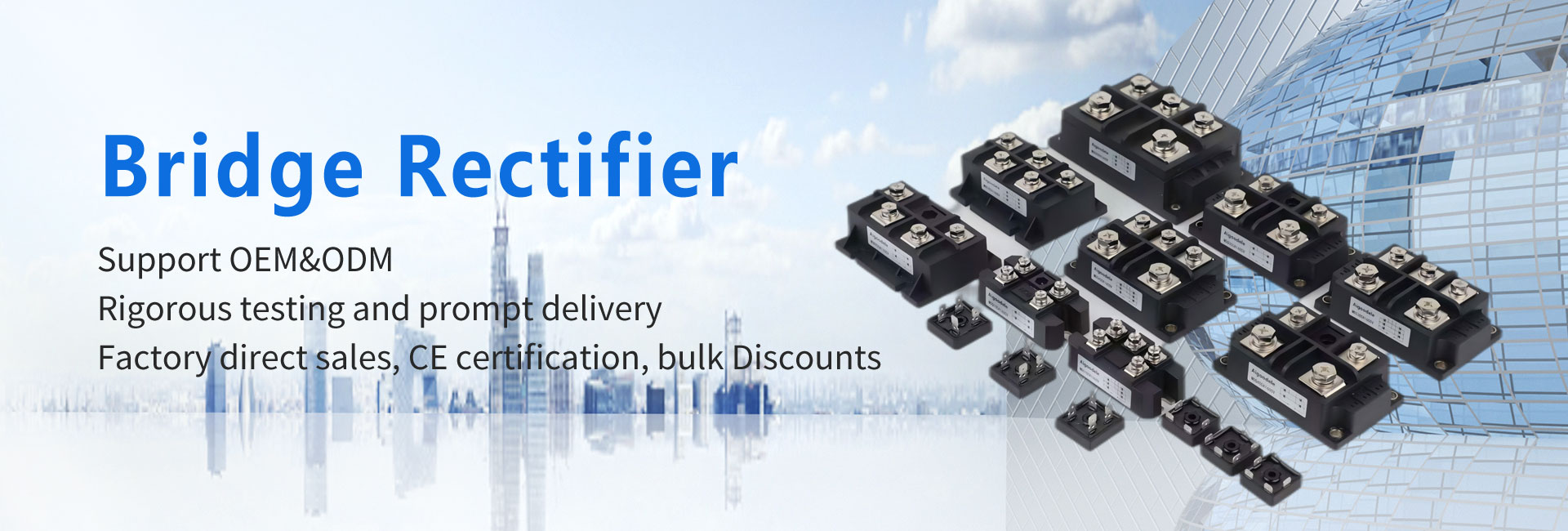
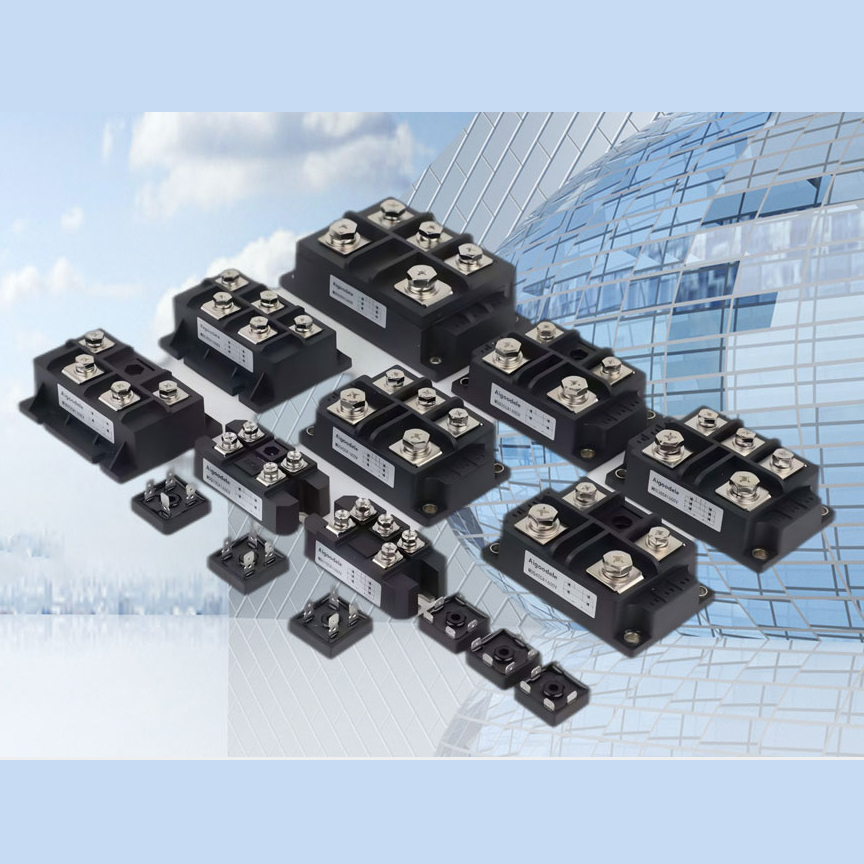
Explore Our Rectifier Modules Series
.jpg?w=1600&h=1600)
Key Advantages
Applications
FAQs
What is the difference between Single-Phase, Three-Phase, and High Current Rectifier Modules?
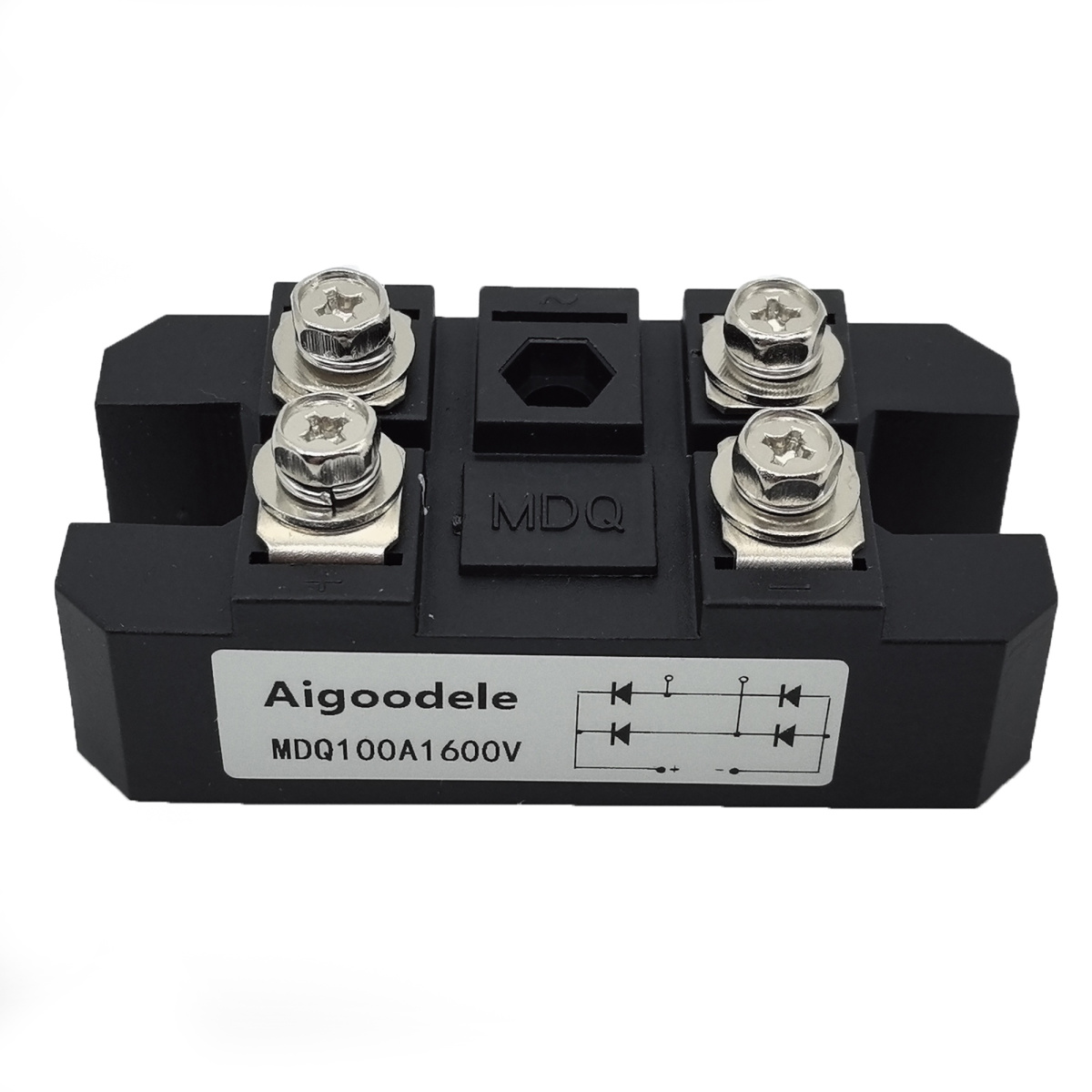
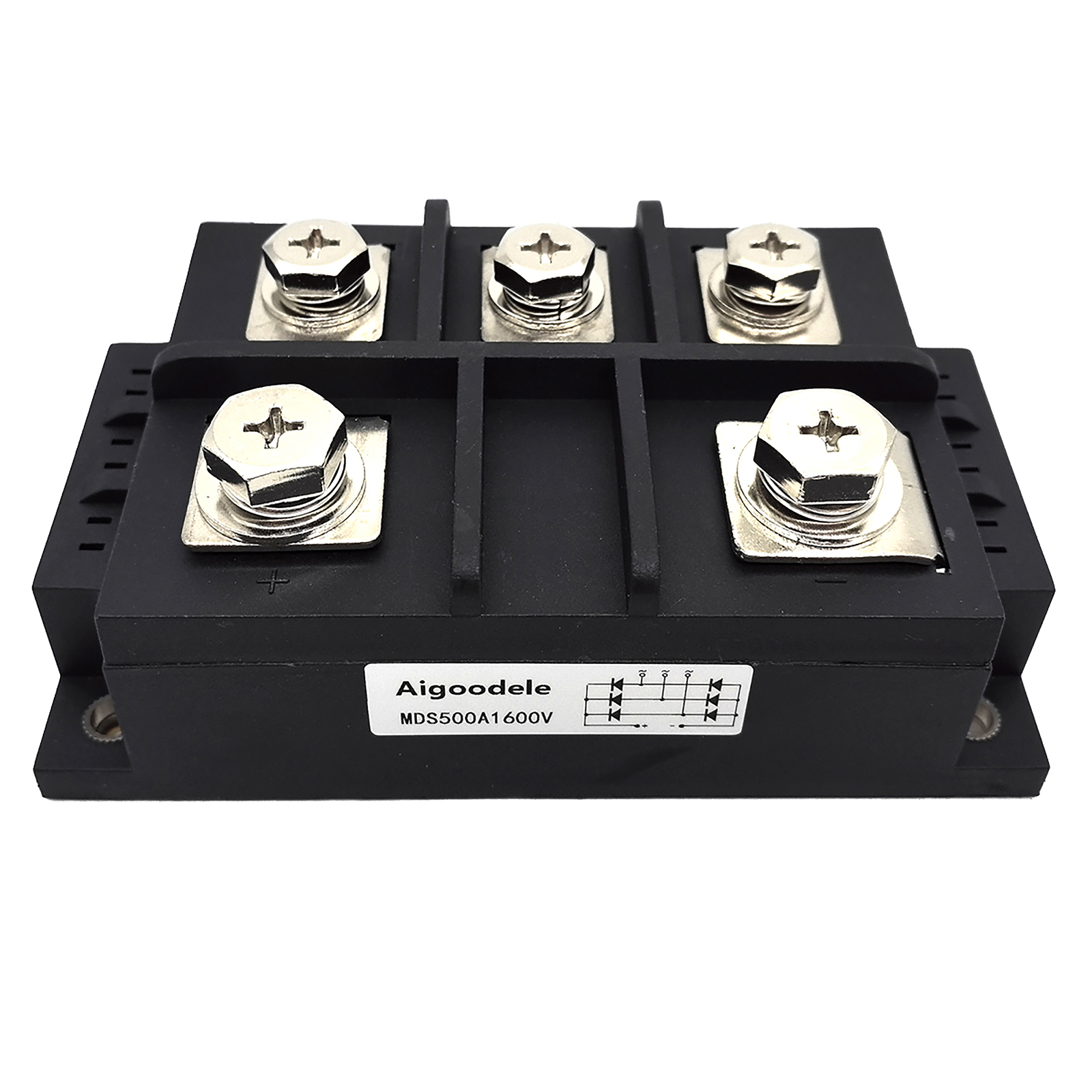
Single-phase rectifier modules are suited for lower-power applications such as control panels and small power supplies. Three-phase rectifier modules deliver higher power output for motor drives, VFD front-end rectification, and industrial power systems. High current rectifier modules are designed for heavy-duty applications including welding machines, electroplating equipment, and large DC power supplies.
I'm not sure which rectifier module fits my application — can you help?
Absolutely. Tell us your application, input voltage (single-phase or three-phase), and current requirements — our engineers will recommend the right rectifier module for you.
Can I send you a photo or datasheet of my existing part to find a replacement?
Yes — just send us a photo, nameplate data, or datasheet via WhatsApp or email. Our engineers will identify the equivalent or compatible replacement for you within 24 hours.
Can you provide test reports or certifications?
Yes. Our products are CE certified and manufactured under ISO 9001 quality management standards. Test reports are available upon request for each batch.
What information do I need to provide for a custom or OEM/ODM order?
Please provide your required voltage and current ratings, rectifier type, quantity, and any special requirements. For ODM requests, please share your specifications or drawings. Our team will respond within 24 hours.
What is the lead time and MOQ?
MOQ is typically 1 piece for standard models. Lead time is 3–7 business days for stock items, and 2–4 weeks for custom or large orders. Contact us for specific availability.